
Imagine traversing ancient Mayan ruins, pristine beaches, and colonial cities all connected by a single railway line. The Tren Maya (Mayan Train) isn’t just another transportation project; it’s Mexico’s ambitious answer to sustainable tourism and regional development in the Yucatán Peninsula.
This groundbreaking 1,554-kilometer railway network represents more than just tracks and trains – it’s a gateway to centuries of history, vibrant culture, and natural wonders.
As the largest infrastructure project in southern Mexico’s recent history, the Tren Maya is revolutionizing how travelers experience the rich tapestry of Mayan civilization while boosting local economies.
Overview of the Tren Maya Project
The Tren Maya is a 1,554 km railway system that winds through Mexico’s Yucatán Peninsula, connecting five states: Chiapas, Tabasco, Campeche, Yucatán, and Quintana Roo. Construction started in 2020, with initial sections opening in December 2023.
The railway aims to link major tourist spots with lesser-known Mayan sites while boosting economic growth in southern Mexico.
The project focuses on creating jobs, improving regional transportation, and reducing travel times across the peninsula. By connecting archaeological treasures and tourist destinations, the Tren Maya makes the region’s cultural heritage more accessible to visitors.
Route Map and Main Stops
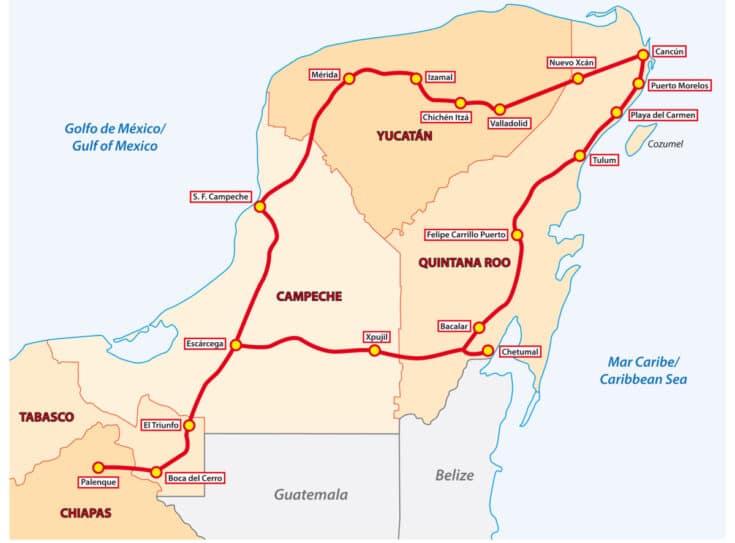
The Tren Maya follows a circular route through 34 stations and 14 minor stops, starting in Cancún and looping through the Yucatán Peninsula.
The train stops at key historical sites like Palenque in Chiapas, home to stunning Mayan ruins, and Tulum in Quintana Roo, known for its coastal beauty.
Other major stops include the famous Chichén Itzá, a UNESCO World Heritage site, along with popular destinations like Playa del Carmen and Merida.
The route also serves Calakmul in Campeche, connecting travelers to its ancient pyramids and biosphere reserve.
Train Schedules and Frequency
The Tren Maya offers multiple daily trips, with frequent service between popular routes like Cancun to Merida and Merida to Valladolid.
During winter and summer holidays, the train runs more often to meet high tourist demand. Off-season months see fewer trips, letting the railway adjust schedules based on passenger numbers.
While the train runs every day, some early service phases had varying schedules. As the railway system grows, you can expect more consistent daily departures across all routes.
Keep in mind that travel times vary by distance between stations.
Ticket Types and Pricing
The Tren Maya offers three travel classes and amenities: standard, tourist, and premier, each with different comfort levels and amenities. Local residents can get special rates on their tickets.
Prices change based on distance and class choice. A trip from Cancun to Playa del Carmen costs around $12 in tourist class and $19 in premier class. Longer journeys like Cancun to Merida range from $43 to $69, while the full Palenque to Playa del Carmen route costs between $178 and $285.
Residents of participating Mexican states can access lower fares, and the railway offers savings for groups and return tickets to make train travel more affordable for everyone.
How to Purchase Tickets
You can buy Tren Maya tickets online through the official website in three simple steps: pick your travel dates and route, choose your event ticket types, and make your payment. The system sends your e-ticket straight to your email.
If you prefer in-person booking, ticket counters at all stations sell same-day and advance tickets. The staff can help with group bookings and local resident discounts.
Many travel agencies work with Tren Maya to offer combined packages. This makes it easy to get your train tickets along with hotel stays and guided tours in one transaction.
Onboard Amenities and Services
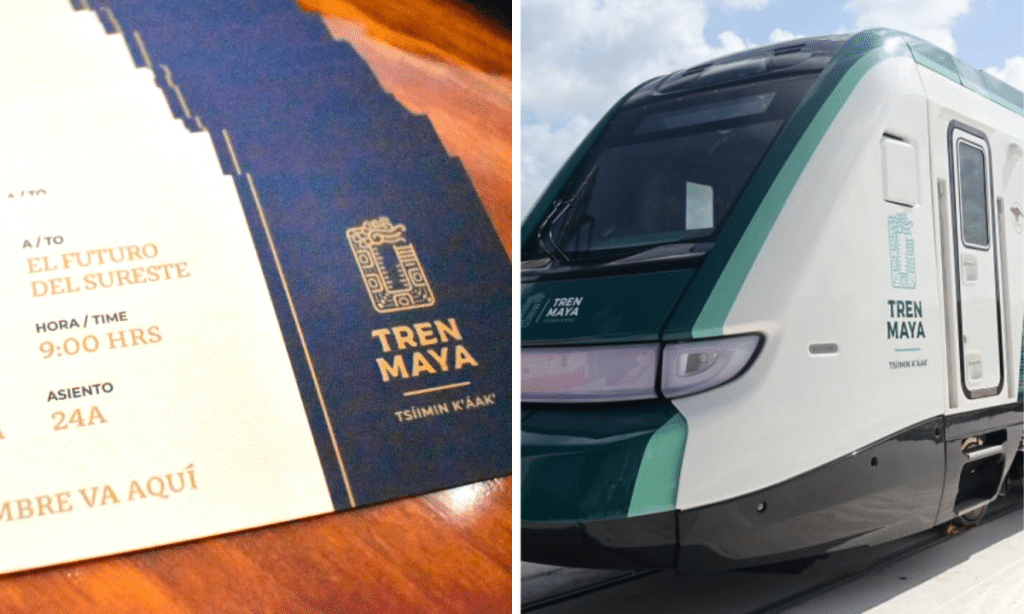
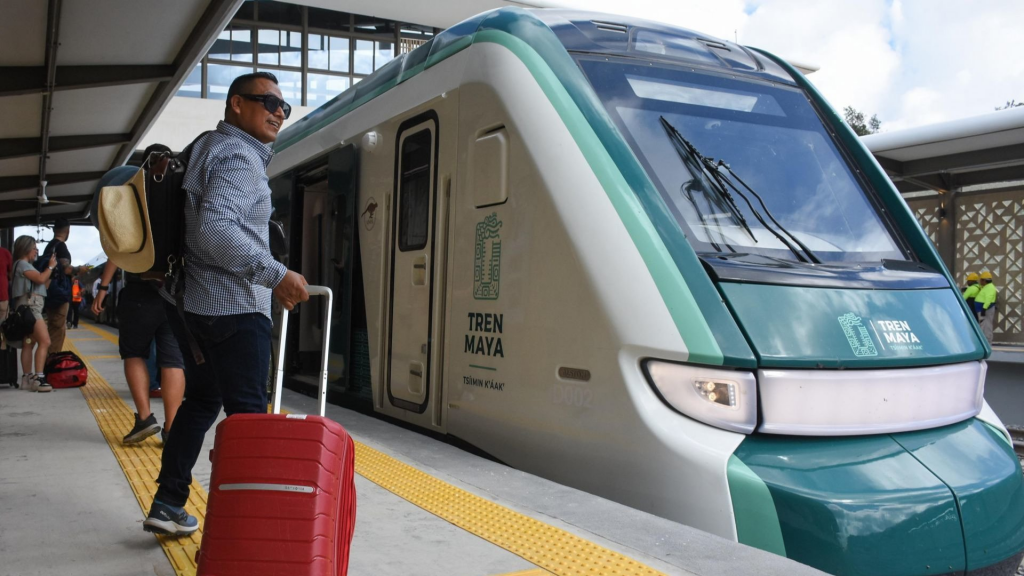
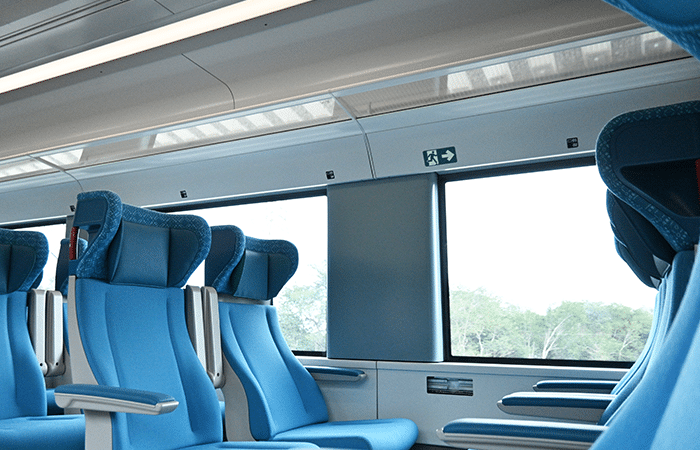
Premier and first-class train cars feature comfortable reclining seats, large windows, and climate control. Economy class provides basic seating and essential facilities for a pleasant trip.
Food service cars offer regional Mexican dishes, while onboard entertainment showcases local culture through video content. Wi-Fi access and digital travel guides help passengers stay connected and informed during their journey.
The Tren Maya puts accessibility first with wheelchair ramps, dedicated seating areas, and bathrooms designed for travelers with mobility needs.
Staff members are ready to assist passengers who need extra help boarding or during the trip.
Connecting Transportation Options at Major Stops
When you step off the Tren Maya, you’ll find plenty of ways to reach your final destination. At Palenque station, buses and taxis take you straight to the ancient ruins, while Tulum offers shuttle services to its famous beaches and archaeological park.
Near Chichén Itzá station, car rental companies and tour operators help you plan visits to the pyramids.
Local transport networks work hand-in-hand with the railway. Regular bus routes connect train stations to nearby towns, and many hotels provide pickup services.
The Tren Maya partners with regional transport companies to make your onward journey simple, with combined tickets available for train and bus travel.
Highlights of Towns and Attractions Along the Route
Valladolid welcomes visitors with its peaceful colonial streets and hidden cenotes. The city’s central plaza comes alive with local vendors selling handmade crafts.
In Bacalar, the Lake of Seven Colors offers a peaceful setting for kayaking and swimming in crystal-clear waters.
Merida, known as the White City, blends Mayan roots with Spanish influences. Try the local cochinita pibil (slow-roasted pork) at the Santiago Market, or cool off with fresh aguas frescas in Valladolid’s main square.
Don’t miss Izamal’s distinctive yellow buildings and ancient pyramids, or the quiet paths of the Calakmul forest.
Local guides can share stories about these lesser-visited spots along the tourism share in Mexico railway route.
Natural Parks and Ecological Sites Accessible via Tren Maya
The railway connects travelers to the Calakmul Biosphere Reserve, where ancient Mayan structures rise above the jungle canopy. At Bacalar Lagoon, clear waters stretch across seven shades of blue. Tulum National Park pairs coastal scenery with well-kept ruins.
Visit these parks early in the morning to avoid crowds and heat. Bring water, wear sturdy shoes, and carry cash for entry fees.
Many parks offer local guide services, who share knowledge about native plants and wildlife.
The railway uses existing paths to protect local ecosystems. Tree planting programs help maintain the region’s natural balance, while marked trails keep visitors from disturbing sensitive areas.
Cultural Experiences and Archaeological Sites
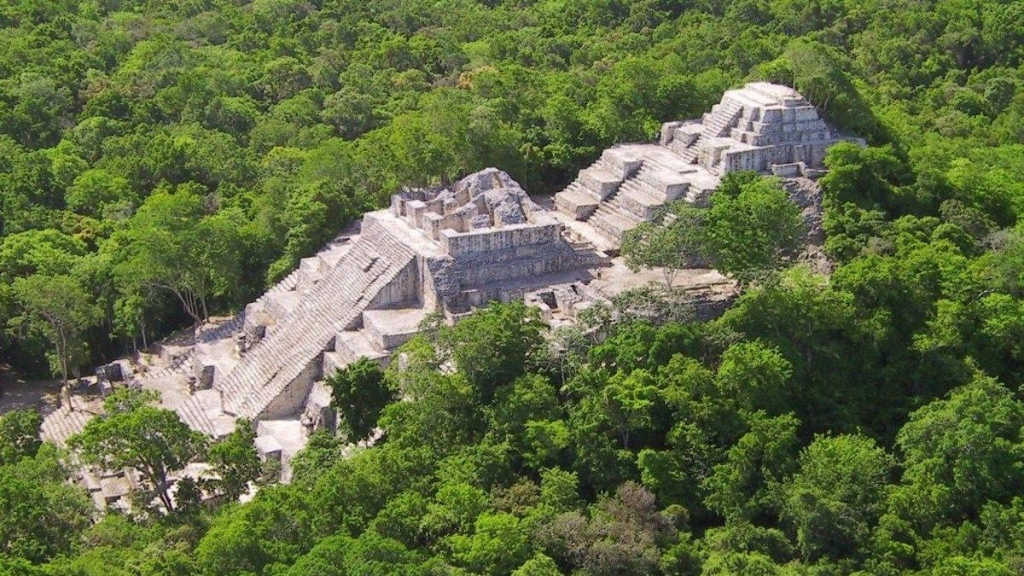
The Mayan Train route puts you steps away from Mexico’s most important Mayan sites. At Chichén Itzá, you can watch the sun play on the stepped pyramid of El Castillo. The Tulum ruins stand proudly on coastal cliffs, while Calakmul’s structures peek through the forest canopy.
Local festivals bring the peninsula’s traditions to life. You might catch a jarana dance performance in Mérida or join a cooking class to learn traditional Yucatecan recipes.
Many stops along the railway offer workshops where you can try your hand at making tortillas or weaving hammocks with local families.
Visit indigenous communities near the stations to learn about daily life, traditional medicine, and age-old farming methods.
Tips for Planning Your Tren Maya Journey
Pack light and smart for your train trip through the Yucatán Peninsula. Bring sunscreen, a hat, comfortable walking shoes, and a water bottle. Weather changes quickly, so pack a light jacket and rain gear too.
For short trips, try the Cancun-Tulum route to see beaches and ruins in 2-3 days. Longer visits can include the full loop through Chichén Itzá and Mérida over 7-10 days.
Book tickets through official channels to stay safe. Get travel insurance that covers medical care and trip changes.
Carry basic medicines and stay hydrated in the warm climate. Keep important documents in a safe place and bring copies of your passport.
Environmental and Social Impact of the Project
The Tren Maya project brings both benefits and challenges to the Yucatán Peninsula’s environment. While the railway reduces car traffic and carbon emissions, some sections required clearing land for tracks and stations.
To address these concerns, the project includes wildlife corridors and plants native trees along the route.
Local communities see positive changes through new jobs and better access to markets. Small towns along the railway now welcome more visitors, helping local businesses grow.
Many residents work as tour guides, restaurant owners, or railway staff, contributing to tourism participation in Mexico’s GDP.
The project follows United Nations building guidelines to protect nature. Solar panels power many stations, and water recycling systems help save resources.
The railway also works with local groups to protect important natural areas and cultural sites.
Future Expansion Plans and Developments
The Tren Maya network will grow to reach more remote archaeological sites across the Yucatán Peninsula. New rail lines will connect additional tourist spots to the main route, making it easier to visit hidden Mayan treasures.
Coming updates include electric trains on select routes and better digital services for passengers. Onboard Wi-Fi and entertainment systems will get upgrades to improve the travel experience.
The remaining sections of track should open by mid-2025. After that, the railway plans to add more connections based on passenger demand.
Each new section will follow the same careful planning to protect local communities and natural areas.
Comparison with Other Transportation Options in the Region
The Tren Maya stands out from buses and cars by offering faster travel times and better views of the Yucatán landscape.
While buses take winding roads through towns, the train moves directly between destinations on dedicated tracks.
Looking at costs, train tickets cost more than bus fares but include comfortable seating and onboard services.
A bus ticket from Cancun to Merida might save you money, but you’ll spend twice as long getting there.
Taking the train lets you skip traffic jams and reach spots that buses don’t serve. The railway stops right at major sites, saving you time and extra transport costs.
Plus, the train’s big windows give you clear views of Mexico’s countryside that you can’t get from a cramped bus seat.
Final Thoughts on the Tren Maya Experience
The Tren Maya represents a remarkable fusion of modern convenience and cultural preservation, offering travelers an unparalleled way to explore Mexico’s Yucatán Peninsula.
From ancient pyramids to pristine beaches, this railway system has transformed how visitors experience the region’s rich heritage while supporting local communities.
As this ambitious project continues to evolve, it sets a new standard for sustainable tourism infrastructure in Latin America.
Whether you’re a history enthusiast, nature lover, or cultural explorer, the Tren Maya opens doors to adventures that were once difficult to access, making the treasures of the Mayan world more accessible than ever.